
Why All Our Supplements Are Powered by Mushroom Mycelium
We’re all learners from the natural world, and it holds a remarkable well of wisdom that we’ve only just begun to explore.
At Host Mycelium, one of the key lessons we’ve gained is that mycelium forms a massive ecological web—a living, cellular network with wide-ranging reach and a meaningful influence on everything it touches along the way.
Mycelium’s actions support recovery and guide ecosystems along their evolutionary course, functioning like a natural recycling system that feeds and sustains other members of ecological communities. By moving nutrients throughout the food chain, mycelial networks enrich the soil and help nearby webs of plants and animals endure, flourish, and expand.
More widely recognized as the “wood wide web,” mycelium lies beneath our feet with almost every step across a lawn, meadow, or forest ground. Researchers have determined that up to 90% of terrestrial plants maintain a mutually beneficial partnership with mycelial networks.
Without fungi – without mycelium – all ecosystems would fail.
Mycelium and a wide range of mycological uses hold tremendous promise for improving the well-being of both people and the planet. We remain dedicated to advancing our research to uncover fresh, innovative ways to connect mycological solutions to human and environmental health.*
At Host Mycelium, We Follow the Science
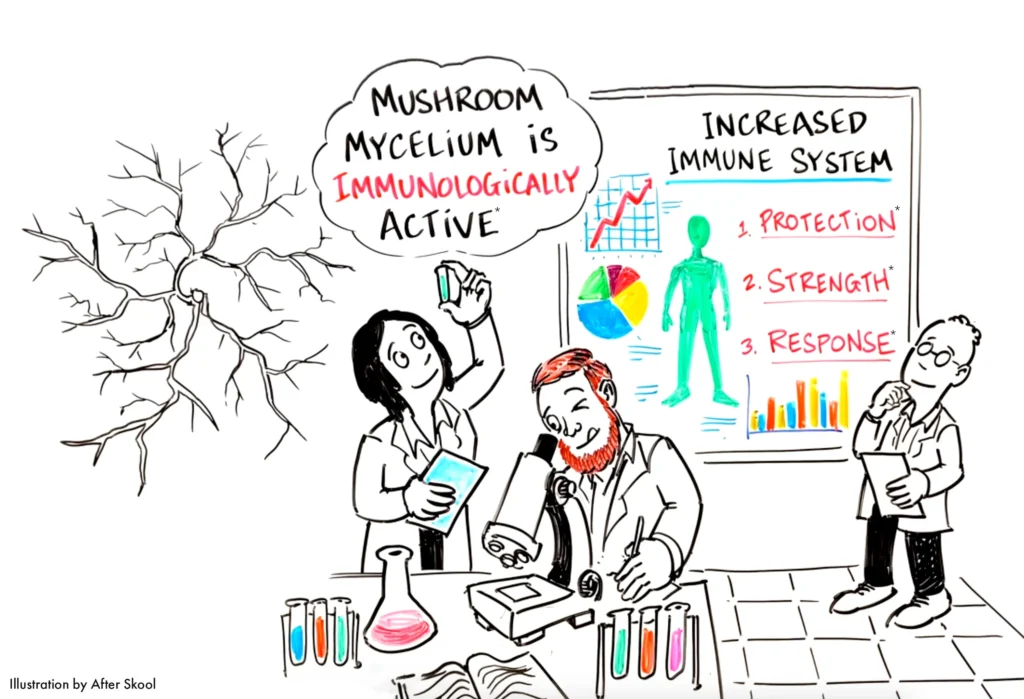
One of the most important findings from our research has been identifying the benefits of mushroom mycelium. Mushroom mycelium is the metabolically active, longest-lasting part of the mushroom organism and includes many unique compounds shown to support human health. Years of industry-led research, together with internal studies and independent third-party testing, show that mycelium-based supplements provide meaningful immune system support.*
Benefits of Mushroom Mycelium*
Helpful mushrooms have been relied on for hundreds of years to promote overall wellness. They may aid cognition and recall, boost energy and endurance, and contribute to healthier sleep, cardiovascular function, liver support, and a balanced microbiome. Across many species, these beneficial mushrooms address a broad spectrum of targeted, system-specific needs. What unites them is that beneficial mushroom mycelium and fruiting bodies have been shown to encourage an active yet balanced immune response.*
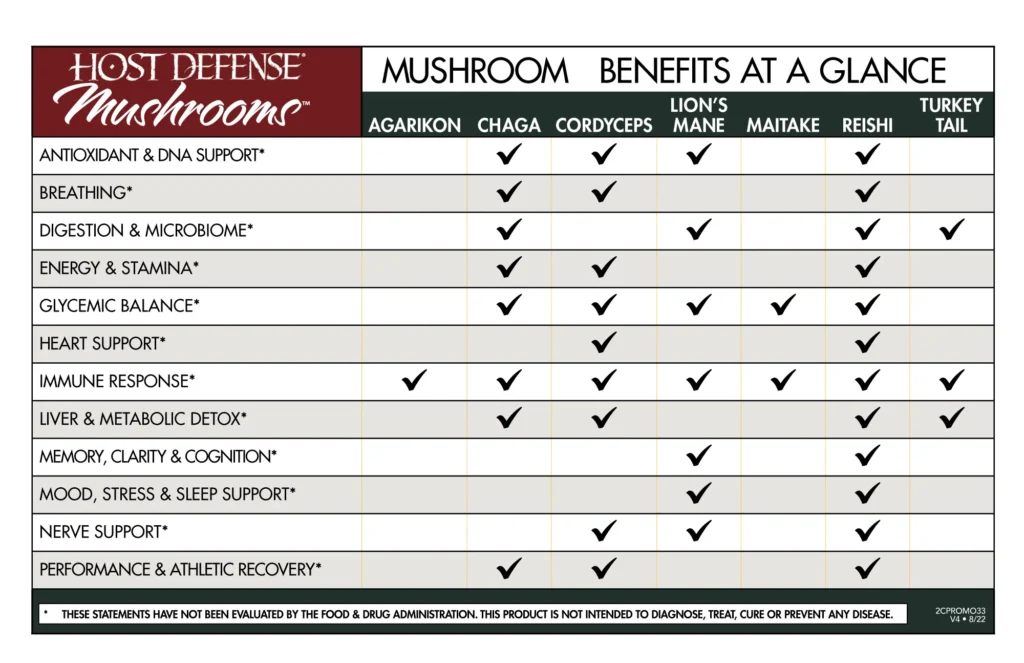
At Host Mycelium, we’re guided by science. Plus, years of research show our mushroom mycelium-based supplements uniquely stimulate and help balance immune function. Keep reading to discover why we include mushroom mycelium in every one of our supplements!*
What is Mushroom Mycelium?
Here’s a polished rephrased version that keeps the original meaning while making it more natural and engaging:
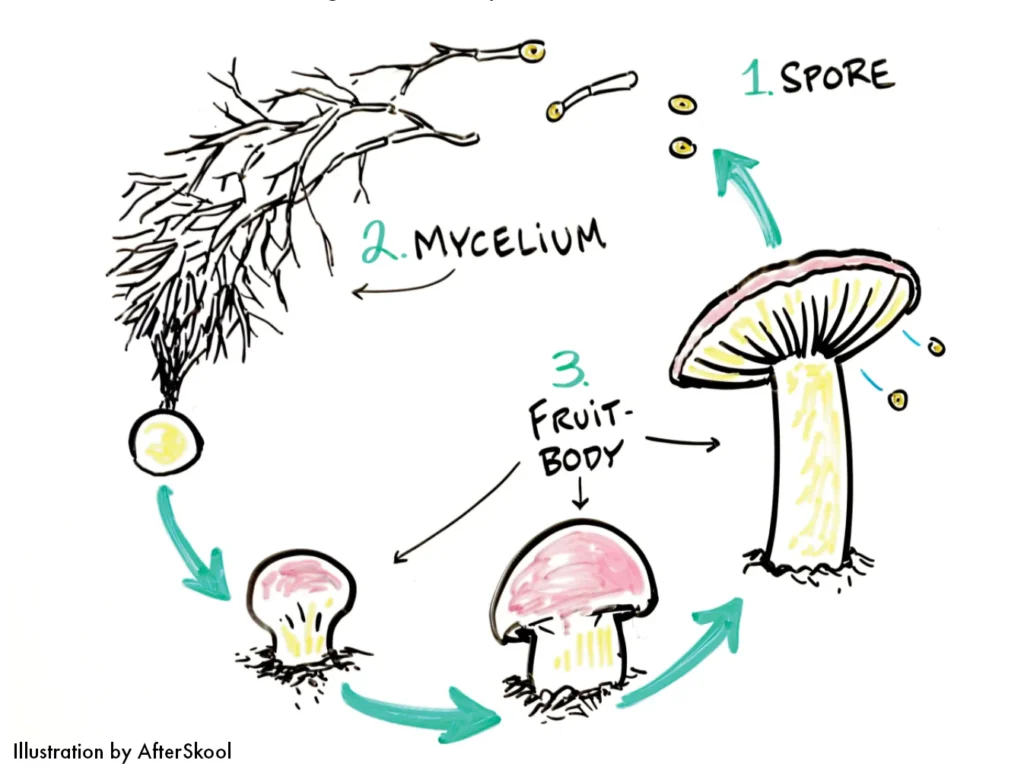
A deeper understanding of mycelium and its role in the mushroom life cycle can help consumers better appreciate its unique characteristics and potential benefits. Mushrooms are fungal organisms that develop through a three-stage life cycle, with each stage serving a distinct purpose, much like the different phases of plant growth.
Mycelium represents the primary and longest-lasting stage of this life cycle. It is made up of an extensive network of delicate, thread-like structures called hyphae, which form the foundation of the organism. Although these microscopic filaments may appear fragile, mycelium is remarkably resilient and adaptable.
Depending on environmental conditions, mycelial networks can continue developing for months, years, or even much longer. As they spread through complex ecosystems populated by countless microorganisms, they interact with and respond to their surroundings through sophisticated chemical processes. This remarkable ability allows mycelium to adapt to environmental challenges while establishing an extensive network throughout its habitat.
I can also make this more scientific, SEO-friendly, or more suitable for a wellness/mushroom website if you’d like.
Here’s a polished rephrased version with a natural, educational tone:
When environmental conditions become favorable, mushroom mycelium can develop into a fruiting body—the visible, above-ground structure commonly recognized as a mushroom. Producing this fruiting body is a complex process that requires the mycelial network to remain highly active and responsive, helping protect it from potentially harmful pathogens and environmental threats.
Once formed, mushroom fruiting bodies can be surprisingly short-lived and perishable, much like certain flowers and fruits. For instance, oyster mushrooms may begin to deteriorate within only a few days under suitable conditions. This short lifespan stands in remarkable contrast to the mycelium responsible for producing them, which can persist for months, years, or even decades depending on the species and environment.
Mushroom Life Cycle
Mushrooms are fungal organisms that progress through a three-stage life cycle. Similar to the different stages observed in plants, each stage plays an important role in the organism’s growth, development, and reproduction.
If you want, I can also rewrite the full mushroom life-cycle section in a consistent, original style for your website.
Absolutely. Here is a more original, polished version that keeps the scientific meaning while improving readability and flow:
Fungal Spores
Fungal spores are reproductive cells that play a role similar to seeds in plants. They are responsible for initiating the growth of a new fungal organism by developing into mycelium under suitable environmental conditions.
Much like a seed can develop into a plant or tree, a mushroom spore originates from the fruiting body of another fungus and serves as a natural means of reproduction. When conditions are favorable, spores may germinate within a few days, although the process commonly takes several weeks.
Once germination begins, microscopic threads known as hyphae emerge from the spore and gradually extend outward. These growing filaments form the early mycelial network, absorbing and breaking down nutrients from the surrounding material, commonly referred to as the substrate. This process provides the energy and resources needed for continued growth and development.
Mycelium
Mycelium is the living, growing body of the fungus and appears as an intricate network of fine, root-like filaments. It represents the primary vegetative stage of the mushroom organism and is responsible for establishing and maintaining the fungal network within its environment.
Made up of thousands of interconnected hyphae, mycelium forms an extensive and highly active network. Although the individual filaments are extremely delicate, together they create a resilient system capable of responding to changes and challenges within the surrounding environment.
While spores serve primarily as the starting point for new fungal growth and fruiting bodies develop periodically for reproduction, mycelium represents the long-lasting foundation of the fungal organism. It can remain active and continue growing long after individual fruiting bodies have disappeared.
The mycelial network also provides the foundation from which mushroom fruiting bodies develop when environmental conditions are favorable. In this way, mycelium can be compared to the enduring structure of a perennial plant: the underlying organism remains established over time, while its reproductive structures emerge periodically, mature, and eventually disappear.
If this is for a mushroom wellness website, I can also make the entire section more SEO-optimized and authoritative while keeping it scientifically responsible.
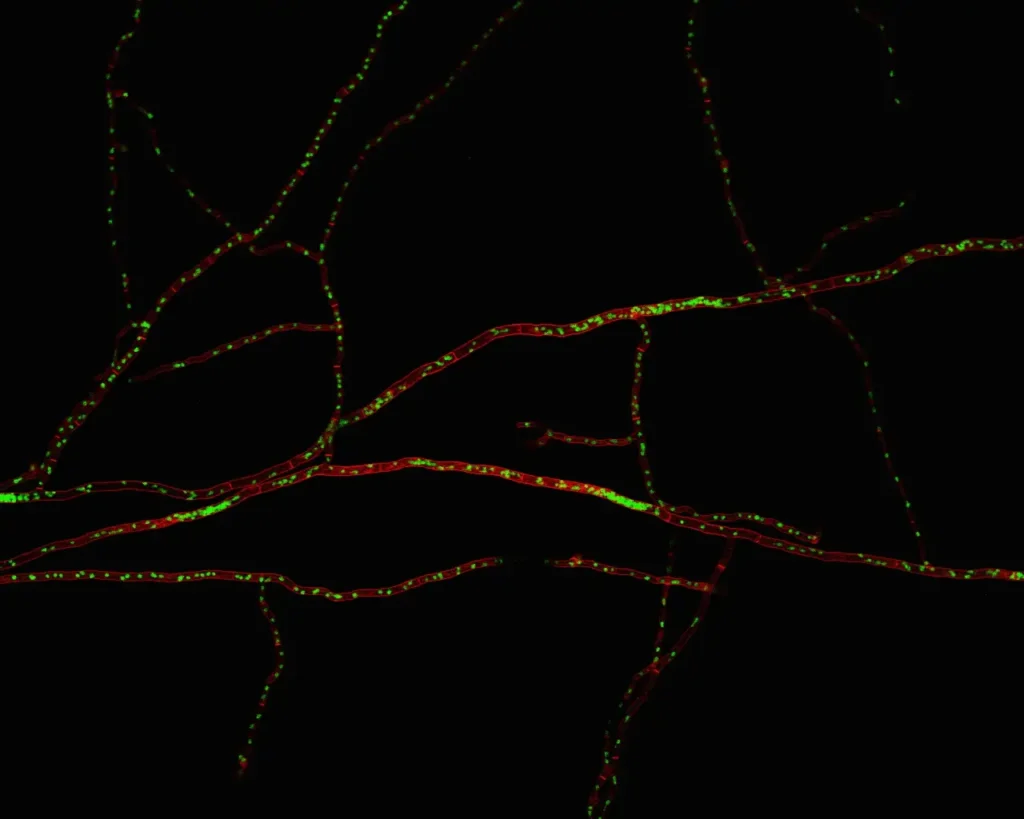
Time lapse video showing how nuclei (in green) and membranous organelles (in red) travel through mycelium. Like an underground highway, mycelium allows for dynamic transport of nuclei, organelles, and mitochondria. This is the manner in which mycelium communicates with its surrounding ecosystem. © Dr. Patrick Hickey, 2008.
Fruit body
The temporary, reproductive stage that comes and goes multiple times during the life of the fungal organism is the fruit body.
The fruit body is the easily-identifiable, above-the-surface “fruit” that we typically think of when we think of a mushroom. The mushroom fruit body is the reproductive stage that produces spores, similar to how a plant’s flower – or “fruit” – produces pollen or seeds in order to reproduce and propagate the species. And just like flowers and fruit, a mushroom fruit body is a temporary but recurring part of the plant’s overall life cycle as long as the environmental requirements are met.
Here’s a more original, polished version that keeps the educational tone while avoiding overly strong health claims:
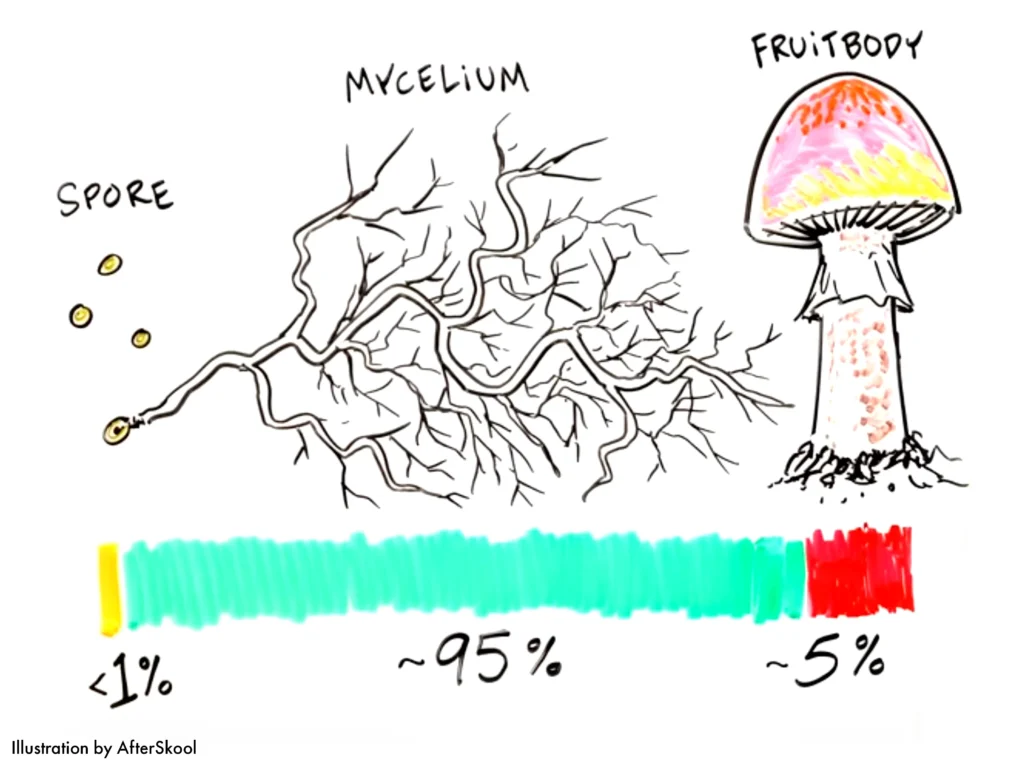
Generalized Timeline of Fungal Activity
A simplified timeline showing when different stages of a fungal organism’s life cycle may be most biologically active.
Facts About Mushroom Mycelium
Because mycelium consists of fine, thread-like filaments, it is sometimes mistakenly viewed as little more than a root system whose sole purpose is to support the mushroom’s fruiting body. In reality, mycelium is a fundamental and highly active part of the fungal organism, playing an essential role throughout much of its life cycle.
Mycelium represents the primary vegetative stage of a mushroom’s development. While the fruiting body is the more familiar, visible structure, it is a temporary reproductive stage that develops under favorable conditions and eventually produces spores. Mycelium, by contrast, forms the underlying network that allows the fungus to grow, obtain nutrients, interact with its environment, and continue its life cycle.
Depending on the species and environmental conditions, mycelium may remain established and metabolically active for the vast majority of the organism’s life. In some cases, the mycelial stage can account for roughly 95% or more of the overall life cycle, while the visible fruiting body may exist for only a relatively short period.
Mycelium also plays an important role in the fungus’s ability to detect and respond to changes within its environment. Through its extensive network of hyphae, the organism can interact with surrounding microorganisms, access nutrients, and respond to environmental challenges.
The unique biological characteristics of mycelium have also attracted significant scientific interest. Research continues to explore the compounds and properties associated with different mushroom species and their potential applications in nutrition, wellness, and other areas. As interest in functional mushrooms continues to grow, mycelium remains an important subject of ongoing scientific investigation.
This version is also safer for a wellness or supplement website, because it avoids presenting “immune support” or human health benefits as established medical facts without specific evidence.
A Tale of Two Mushrooms: Mycelium vs Fruit Body
Here’s a polished, more original version that keeps the educational message while making the health language more scientifically cautious:
Fungi Anatomy
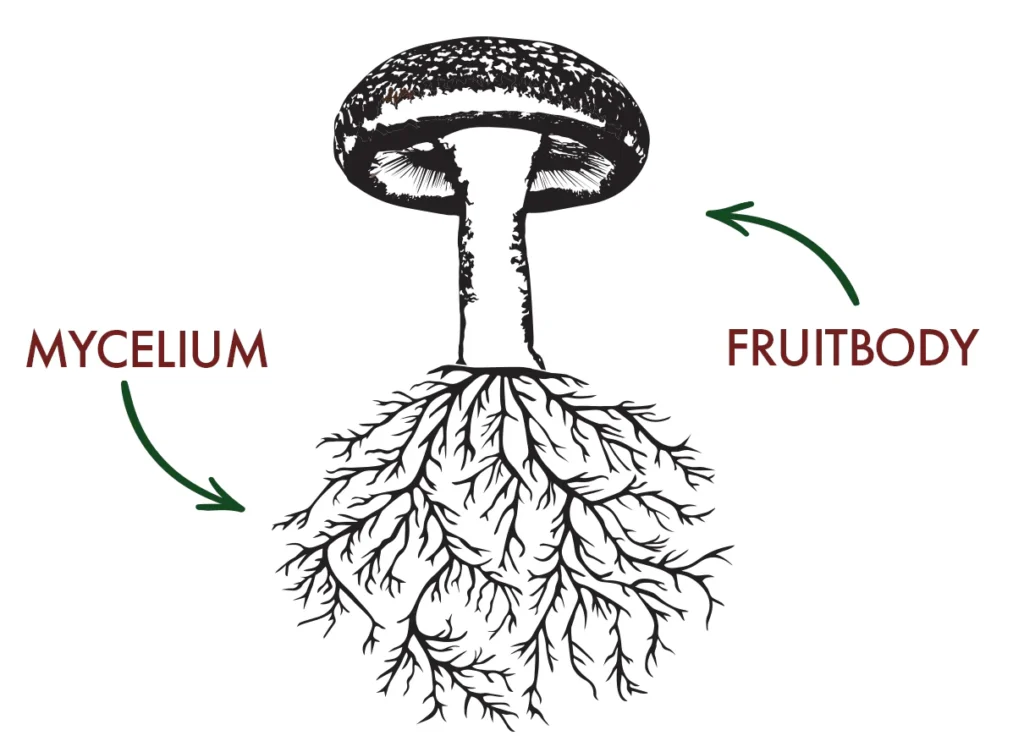
If most people were shown two images—one displaying a familiar mushroom fruiting body and another showing a network of mushroom mycelium—and asked to identify the mushroom, the majority would naturally choose the visible fruiting body.
This is understandable because fruiting bodies are the most recognizable part of a mushroom. Mycelium, on the other hand, develops largely beneath or within its growing environment and is far less familiar to people outside the field of mycology.
This difference in visibility can also influence how mushroom supplements are presented and marketed. Some products place a strong emphasis on fruiting-body extracts, often highlighting their naturally occurring compounds such as beta-glucans, while positioning mycelium as a secondary or less valuable component.
However, the biology of fungi is more complex than simply choosing one part over the other. Mycelium and fruiting bodies are distinct stages and structures within the fungal life cycle, and each contains its own collection of naturally occurring compounds. Their composition can vary considerably depending on the mushroom species, growing conditions, cultivation methods, and extraction or processing techniques.
For this reason, both mycelium and fruiting bodies are important areas of scientific research. Rather than assuming that one form is universally superior, it is more useful to consider the characteristics, composition, and intended use of each when evaluating mushroom-based nutritional and wellness products.
Here’s a substantially reworded version with a more neutral, educational tone and without retaining the original brand-specific claims:
Mushrooms and Beta-Glucans
Beta-glucans are among the naturally occurring compounds found in many mushrooms and have received considerable scientific attention because of their biological properties. However, mushroom mycelium contains a much broader range of polysaccharides and other naturally occurring compounds. Focusing exclusively on beta-glucans may therefore provide an incomplete picture of the complex chemistry found in a mycelium-based mushroom product.
Beta-glucans are not a single uniform substance. They represent a diverse group of polysaccharides whose structures can vary significantly. Differences in molecular size, branching patterns, sugar linkages, and overall structure can influence their physical and biological characteristics. As a result, two mushroom materials may contain similar amounts of beta-glucans while having substantially different chemical profiles.
Measuring beta-glucan content can also be challenging. Different analytical methods may produce different results depending on the characteristics of the sample and the methodology used. Some commonly used testing procedures primarily measure particular fractions of beta-glucans, meaning that other forms may not be fully represented. Factors such as solubility, molecular structure, particle size, and interactions with other compounds can further influence analytical results.
For this reason, a single beta-glucan percentage should be interpreted carefully rather than viewed as a complete measure of the quality or biological characteristics of a mushroom product. Transparent labeling should take into account the testing method used and recognize that different analytical techniques can produce different measurements.
Looking Beyond Beta-Glucans
Mushrooms contain a diverse collection of naturally occurring constituents, and beta-glucans are only one part of this broader chemical profile. Depending on the species and the way the mushroom is cultivated and processed, mushrooms and mycelium may contain various polysaccharides, proteins, phenolic compounds, terpenes, pigments, and other metabolites.
These compounds can differ in their chemical properties, including their solubility and stability. Consequently, the extraction method used to prepare a mushroom product can influence which constituents are ultimately present in the finished material. Water extraction, for example, may favor certain water-soluble compounds, while other processing approaches may preserve or extract different components.
Understanding the complete chemical profile of mushroom materials can therefore provide a more informative perspective than relying on a single measurement such as beta-glucan concentration. Ongoing research continues to investigate how the diverse constituents found in mushrooms interact and what roles they may play in nutrition and wellness.
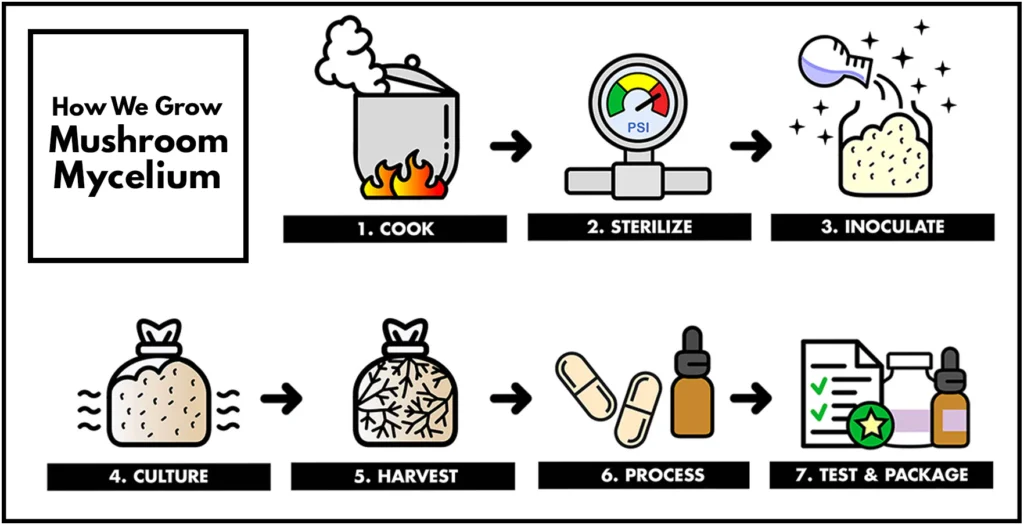
How We Grow Mycelium
Mycelium is composed of extremely fine, thread-like structures called hyphae. Although these structures are delicate on an individual level, they form an extensive and resilient network capable of growing through a suitable environment.
To cultivate mycelium for use in mushroom products, growers provide carefully controlled conditions that supply the fungus with the nutrients, moisture, temperature, oxygen, and other environmental factors required for development. Cultivation is typically carried out under controlled conditions designed to encourage healthy growth while minimizing unwanted microbial contamination.
Once the mycelial culture has developed sufficiently, it can be harvested and processed according to the intended application. The cultivation and processing methods used can have an important influence on the final composition and characteristics of the resulting mushroom material.
This version is better suited to a professional mushroom/wellness website because it avoids making unsupported claims that a particular formulation “optimizes” health or that specific testing methods are categorically unreliable.
Here’s a fully rephrased version with a cleaner, more educational style and more careful wording around health benefits:
Fermentation and Substrates
Growing mycelium under controlled conditions shares some similarities with the processes used to produce several familiar fermented foods.
Tempeh is produced through a natural fermentation process in which a fungal culture grows throughout cooked soybeans, binding the beans together and transforming their texture and composition.
Yogurt is made by introducing specific bacterial cultures into milk, where the microorganisms ferment components of the milk and create the characteristic texture and flavor of the finished product.
Kombucha is produced by fermenting sweetened tea with a microbial culture containing bacteria and yeast. During fermentation, these microorganisms consume available nutrients and produce a range of metabolic byproducts.
In each example, microorganisms interact with and transform their food source, known as the substrate. The resulting fermented material can differ substantially from its original ingredients in appearance, texture, flavor, and chemical composition.
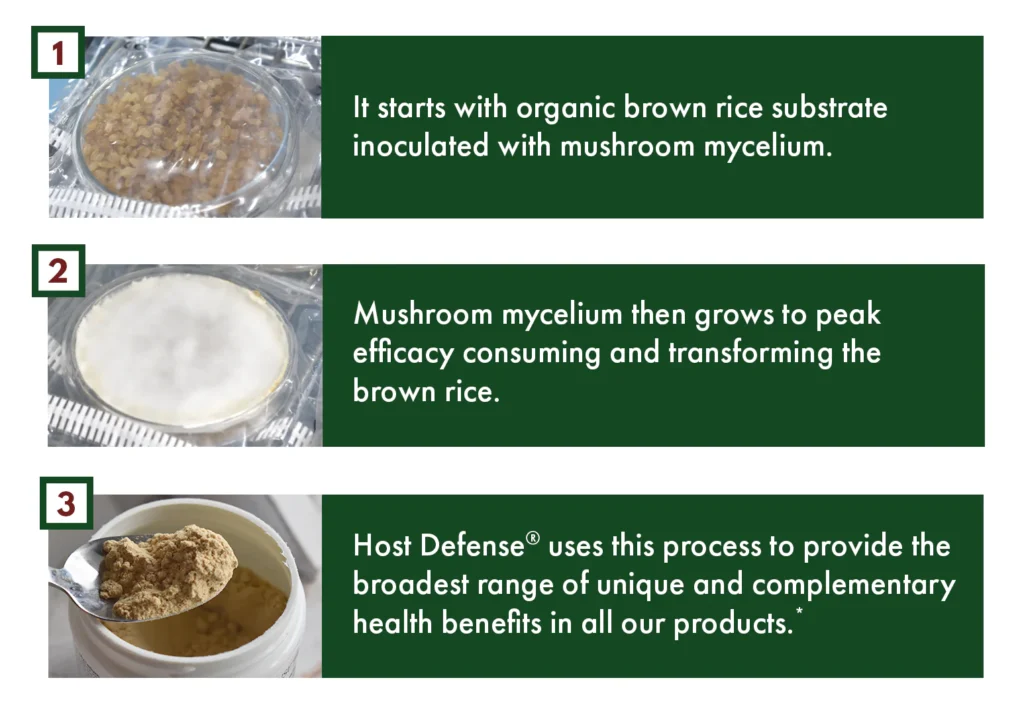
The cultivation of mushroom mycelium follows a related principle. Mycelium requires a suitable growth medium, or substrate, that provides the nutrients and energy needed to establish and develop its network.
Growing Mushroom Mycelium on Substrates
A substrate is an essential component of mycelium cultivation. Depending on the mushroom species and cultivation method, different agricultural or grain-based materials may be used as a nutritional foundation for fungal growth.
As the mycelium develops, it extends throughout the substrate and utilizes available nutrients through enzymatic digestion and absorption. Over time, the fungal network can become extensively integrated with the material on which it has grown.
This process results in what is commonly described as myceliated substrate—a material consisting of fungal mycelium and the substrate it has colonized. As the fungal network develops, the original substrate can undergo physical and biochemical changes, making the finished material substantially different from the starting ingredient.
The concept is comparable to fermentation in foods such as tempeh. Once fermentation and fungal growth have progressed, the original ingredients become part of a transformed biological matrix rather than remaining entirely separate components.
The final characteristics of myceliated material depend on numerous factors, including the mushroom species, substrate composition, cultivation conditions, length of cultivation, and subsequent processing methods. Understanding these factors is important when evaluating the composition and quality of mushroom mycelium products.
Here’s a fully reworked version with a more neutral, professional tone. I’ve also removed the original brand-specific claims and softened statements that would otherwise require strong clinical evidence.
Why Brown Rice Can Be Used as a Substrate
Brown rice is one of several grain-based materials that can be used as a substrate for cultivating mushroom mycelium. It provides a source of carbohydrates, proteins, minerals, and other nutrients that can support fungal growth under controlled cultivation conditions.
There are several practical reasons growers may choose brown rice as a substrate:
Nutrient availability: Brown rice provides nutrients that can support the development of mycelial networks.
Consistent cultivation: Grain substrates can provide a relatively uniform medium for controlled fungal growth.
Compatibility: Certain mushroom species can colonize grain substrates efficiently when appropriate environmental conditions are maintained.
Processing flexibility: Once colonized, the resulting myceliated material can be processed for use in various mushroom-based products.
There is sometimes debate about whether mushroom supplements should contain mycelium grown on grains or whether mushrooms should instead be cultivated on materials such as hardwood. This comparison can be misleading because mycelium and fruiting bodies are different stages and structures of the fungal life cycle. Their cultivation requirements can therefore differ considerably.
The appropriate substrate depends on the mushroom species, cultivation objective, production method, and desired characteristics of the final material. A mushroom that naturally grows on wood does not necessarily require a wood substrate for every stage of controlled cultivation.
Mycelium and Myceliated Brown Rice
When mycelium is cultivated on brown rice, the fungal network gradually grows throughout the grain and utilizes nutrients from the substrate. The resulting material is commonly referred to as myceliated brown rice.
This material contains both fungal biomass and components originating from the substrate. During cultivation, the fungus can produce enzymes and metabolites that alter the surrounding substrate, creating a biologically transformed matrix.
Research into mushroom mycelium and grain-grown fungal materials continues to examine their chemical composition and potential nutritional and biological properties. However, the characteristics of these materials can vary significantly depending on mushroom species, substrate, cultivation conditions, processing, and extraction methods.
Mycelium and Myceliated Substrate Are Not Simply “Fillers”
It is important to distinguish between a substrate that has been intentionally colonized by mushroom mycelium and an unrelated inactive ingredient added merely to increase product volume.
In a properly cultivated mycelial product, the substrate serves as the organism’s food source and becomes integrated with the developing fungal network. The finished material can therefore contain fungal biomass alongside compounds originating from, or transformed from, the original substrate.
This is somewhat comparable to fermented foods, where microorganisms transform their original food medium and the final product becomes a combination of the original ingredients and microbial contributions.
At the same time, the presence of substrate does not automatically demonstrate that a product is superior to a fruiting-body product. Fruiting bodies and mycelium have different compositions, and the nutritional or biological characteristics of a finished supplement should be evaluated based on its actual ingredients, testing methods, processing, and available evidence.
Research on Mycelium and Fermented Substrate
Scientific research has investigated the biological properties of mushroom mycelium, fruiting bodies, and materials produced through fungal cultivation on different substrates. Some studies have explored interactions between mushroom-derived compounds and components of the immune system, while others have examined antioxidant, metabolic, and other biological activities.
Research findings should be interpreted carefully, particularly when moving from laboratory or cell-based studies to claims about effects in humans. A biological activity observed in a laboratory experiment does not necessarily mean that consuming a mushroom supplement will produce the same effect.
Understanding the Evidence
The potential biological activity of mushroom-based materials is unlikely to be explained by a single compound alone. Mushrooms contain complex mixtures of polysaccharides, proteins, phenolic compounds, terpenes, sterols, and other naturally occurring constituents.
Beta-glucans are among the most extensively studied mushroom compounds, but they represent only one component of the broader chemical profile.
For consumers, a more useful approach is to consider the mushroom species, whether the product contains mycelium or fruiting body, the substrate used, cultivation method, extraction process, standardized testing, and quality-control practices rather than relying on a single marketing claim or isolated measurement.
Ultimately, the goal should be transparent labeling and a clear explanation of what is actually present in the finished mushroom product, allowing consumers to make informed decisions based on the available scientific evidence.
Here’s a cleaner, original rewrite that keeps the research-focused message while avoiding absolute medical claims and brand-specific statements that would need verification:
Further Research Findings
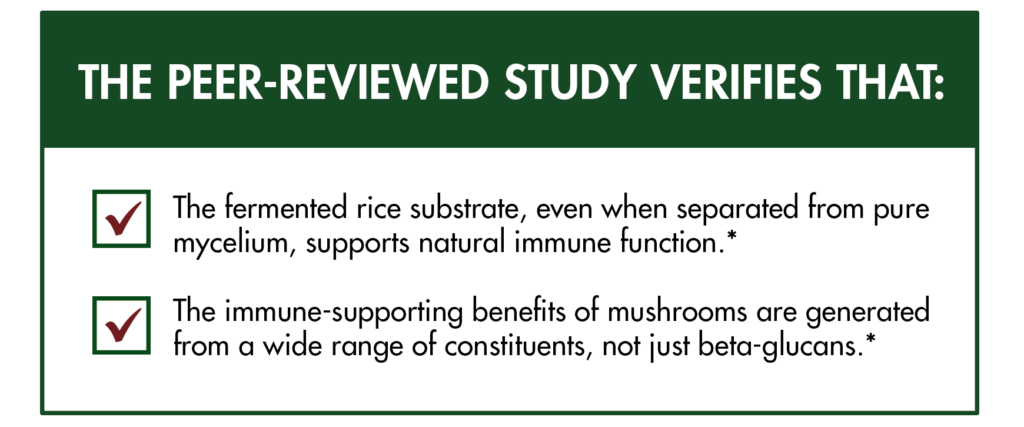
The findings from this area of research have attracted interest because they suggest that mushroom mycelium and its cultivated substrate may have different biological characteristics. Independent scientific commentary has also recognized the originality of this research and the potential importance of investigating mycelium-based materials more closely.
Additional laboratory research has explored the differences between mushroom mycelium and the grain substrate on which it is cultivated. In these studies, researchers examined mycelium and myceliated substrate separately to better understand their individual biological properties.
Researchers have also compared myceliated brown rice with untreated brown rice that had not been exposed to mushroom mycelium. The results indicated differences between the two materials in the laboratory assays used, suggesting that fungal cultivation can alter the biological characteristics of the original substrate.
These findings highlight an important point: a substrate that has been colonized and transformed by mushroom mycelium is chemically and biologically different from the same substrate before cultivation. However, laboratory measurements of biological activity should not automatically be interpreted as proof of a specific health outcome in humans. Additional research, particularly well-designed human studies, is needed to determine the practical significance of these findings.
Research Conclusions
Research into mushroom mycelium and myceliated substrates continues to expand. Existing studies indicate that mycelium contains a diverse range of naturally occurring compounds and that cultivation can modify the composition of the substrate.
Rather than attributing mushroom-related biological activity to a single component, researchers increasingly examine the broader collection of compounds present in different mushroom materials. Mycelium, fruiting bodies, and myceliated substrates can each have distinct chemical profiles, making them valuable subjects for continued investigation.
The growing body of research supports further study of mycelium, particularly its composition, cultivation methods, biological activity, and potential applications in nutrition and wellness.
Quality and Mycelium Cultivation
Producing consistent mushroom mycelium requires careful control throughout the cultivation process. Experienced mushroom producers may use mycologists, laboratory specialists, quality-control teams, and independent testing facilities to monitor the identity and quality of their fungal cultures.
Quality assurance can include verifying mushroom species and strain identity, monitoring cultivation conditions, and testing finished materials for characteristics such as purity, composition, and microbial quality.
Cultivation and Sustainability
The source and cultivation method of mushroom ingredients are also important considerations when evaluating a mushroom-based product. Controlled cultivation allows producers to maintain consistent growing conditions and reduce the risk of unwanted contamination.
Depending on the producer and certification requirements, mushroom products may also be evaluated for factors such as organic production, non-GMO status, agricultural inputs, environmental practices, and packaging materials.
Independent laboratory testing can provide additional information about the identity and composition of a finished product. Testing may include screening for pesticides, heavy metals, microbial contaminants, and other substances of concern.
For consumers, transparent documentation of cultivation methods, ingredient sources, certifications, and testing practices can provide a more meaningful basis for evaluating mushroom products than broad claims about quality or biological activity alone.

Here’s a polished, original version adapted specifically to Host Mycelium, while keeping the claims more evidence-conscious and suitable for a wellness website:
Commitment to Ongoing Research
At Host Mycelium, we believe transparency, scientific curiosity, and continuous learning are essential to the responsible development of mushroom-based products. Our commitment extends to supporting a deeper understanding of beneficial mushrooms, including both mushroom mycelium and the substrates used during cultivation.
Mycology is an evolving field, and new research continues to expand our understanding of the complex biology and chemistry of mushrooms. We are committed to following developments in scientific research and using credible evidence to guide our approach to cultivation, formulation, testing, and quality control.
Our research-focused approach includes collaboration with qualified professionals and the use of appropriate laboratory testing to better understand the identity, composition, purity, and characteristics of our mushroom materials. Where appropriate, independent testing can provide an additional layer of quality assurance and help verify the consistency of our products.
Rather than focusing on a single compound or one stage of the mushroom life cycle, we take a broader approach. Mycelium and fruiting bodies contain different collections of naturally occurring compounds, and the characteristics of each can vary according to species, cultivation conditions, substrate, and processing methods.
Following the Science
At Host Mycelium, we believe responsible mushroom education should be grounded in evidence rather than marketing trends. Scientific research continues to investigate the properties of mushroom-derived compounds and their potential applications in nutrition and wellness.
While laboratory and early-stage research can provide valuable insights, we recognize the importance of distinguishing scientific findings from established human health outcomes. We therefore aim to communicate research responsibly and avoid overstating what the available evidence can demonstrate.
Our goal is to continue learning, testing, and improving while providing consumers with clear information about what is contained in our mushroom-based products and how those ingredients are cultivated and processed.
Looking Ahead
The study of mushroom mycelium remains an active and developing area of research. As new evidence becomes available, Host Mycelium is committed to evaluating relevant findings and continuing to explore responsible ways to incorporate advances in mycology into our products and educational resources.
Our philosophy is simple: follow the science, value transparency, and keep learning.
*These statements have not been evaluated by the Food and Drug Administration. These products are not intended to diagnose, treat, cure, or prevent any disease.